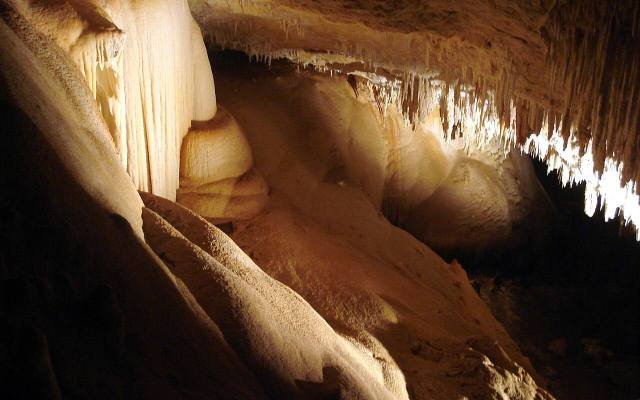
 Cave tour
Season: Spring to autumn
Black Hills cave tour
- Underground passages and formations
- A good plan for a rainy day
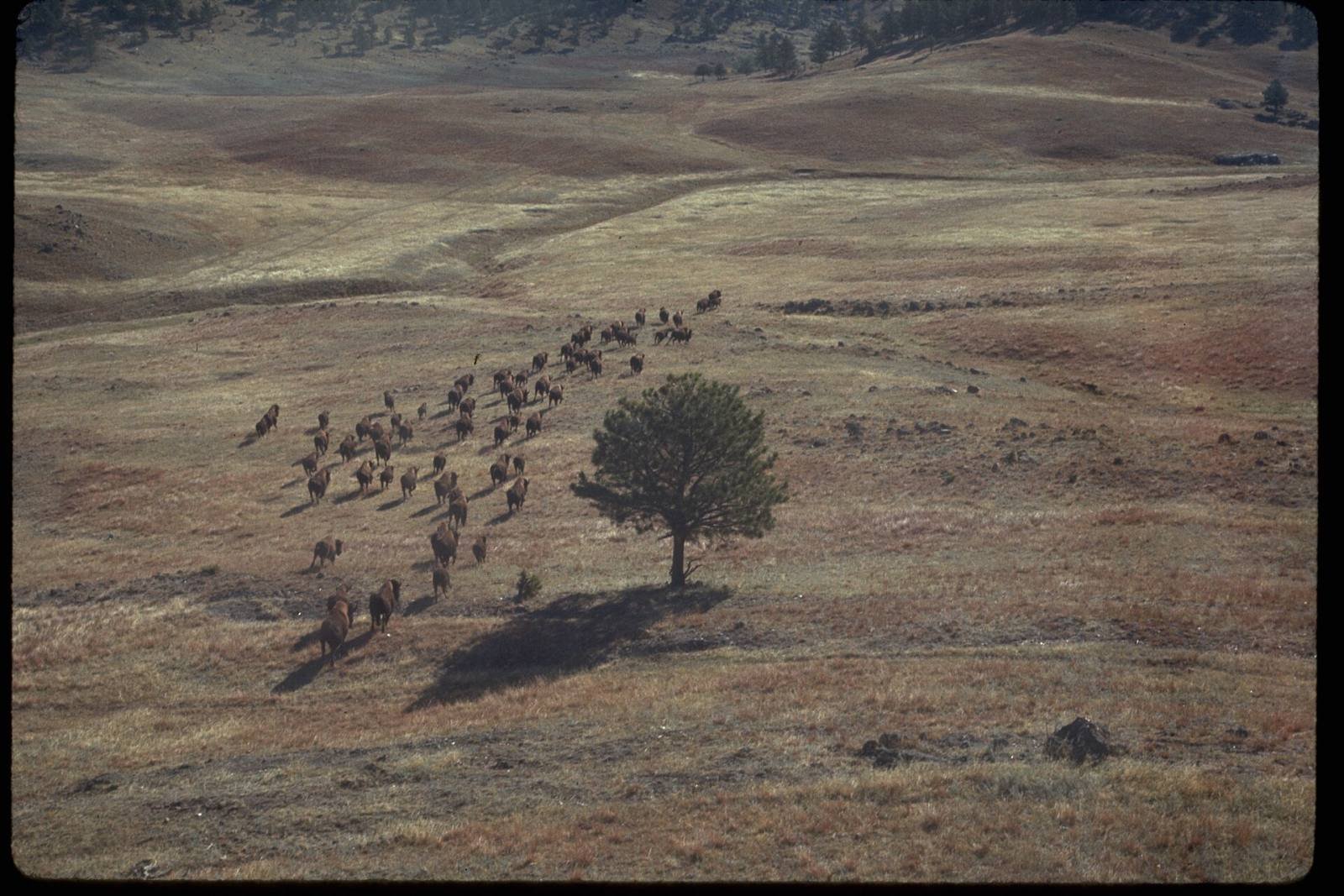
Outdoors
Custer sits between two of the longest caves in the world. Jewel Cave is a short drive west of town, and Wind Cave is a short drive to the south-east. Both have ranger-led tours, but they are very different underground. If you only have time for one, this guide will help you choose.
Jewel Cave is the one to choose for sparkle. Its walls are covered in calcite crystals, and its passages open into larger rooms. The main Scenic Tour follows paved paths and metal stairs, with hundreds of steps in total, so it is moderately strenuous. In summer, a historic lantern tour takes you through the older part of the cave by lamplight, and experienced visitors can book a wild caving trip, crawling through tight passages.
Jewel Cave stays about 49 °F (9 °C) all year, so bring a jacket, even in July.
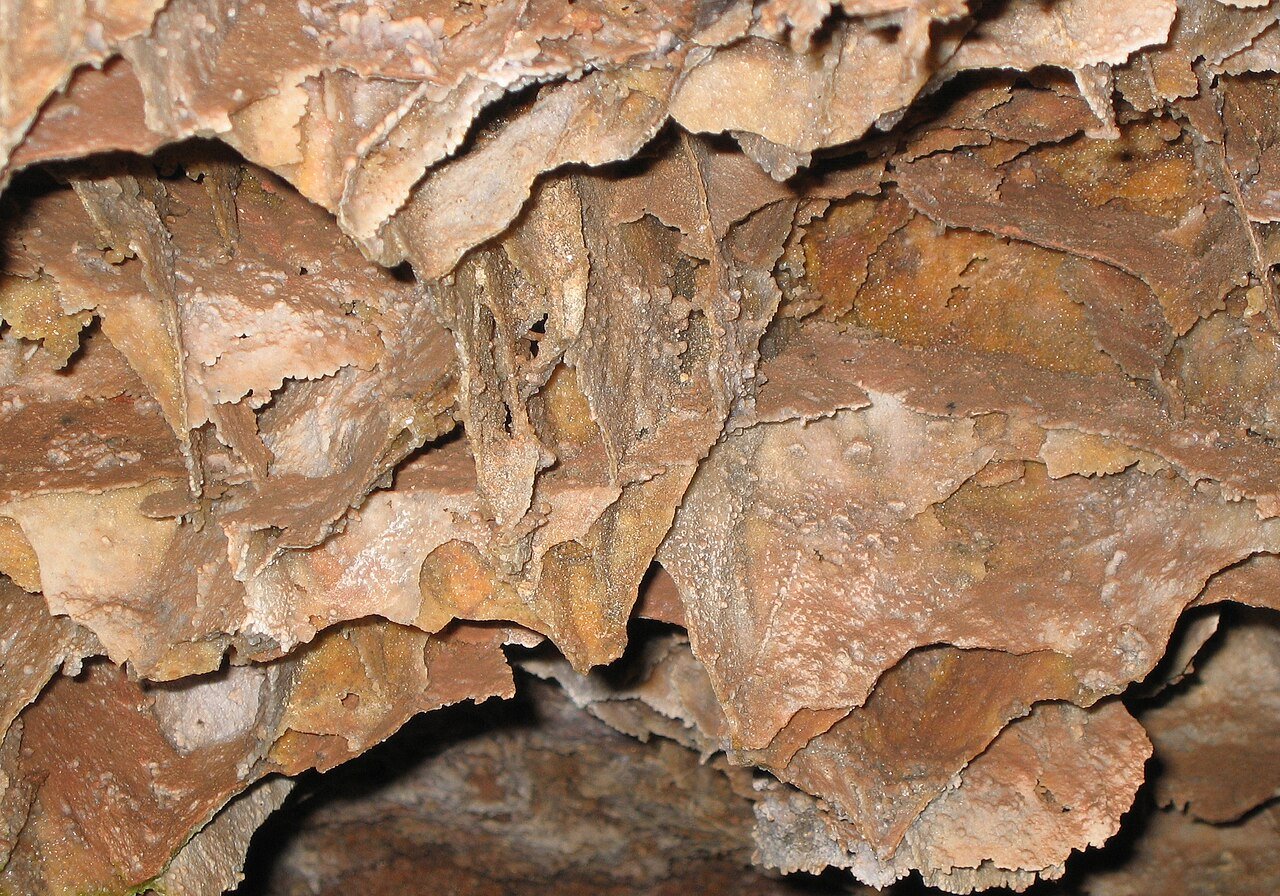
Wind Cave is known for boxwork, thin fins of calcite that form a honeycomb pattern. Most of the world’s known boxwork is found here. The cave is named for the wind that blows in or out of its natural entrance as the air pressure changes outside.
Tours range from short, easy walks to longer routes with more stairs, and candlelight and wild cave tours are offered in some seasons. The cave is about 54 °F (12 °C). Save time for the park above ground too: bison, elk, pronghorn and prairie dogs live on the grasslands, and the scenic drive north into Custer State Park is one of the best wildlife routes in the Black Hills.
Book ahead
Cave tour
Season: Spring to autumn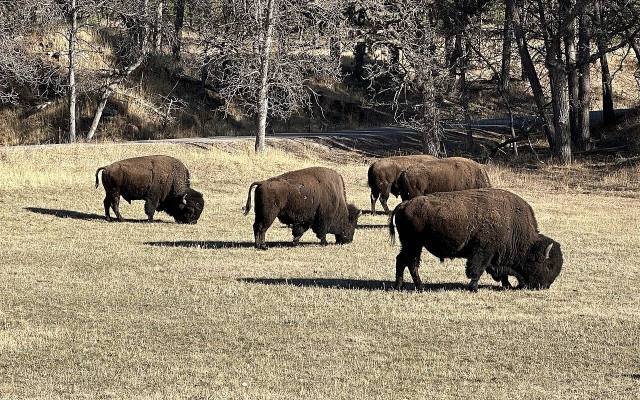 Wildlife safari
Season: Spring to autumn
 Scenic drive
Season: Spring to autumn
Keep reading
 Planning
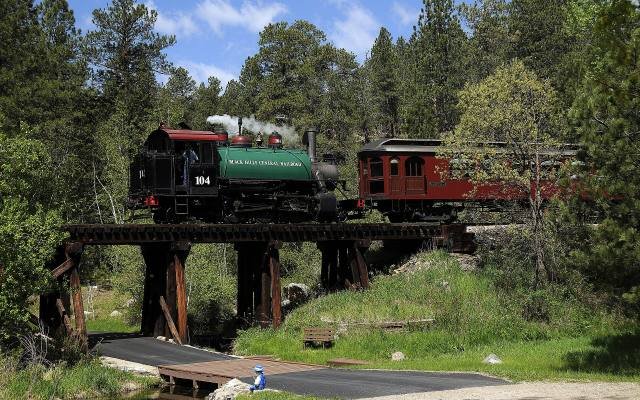
How the 1880 Train works: where to board, how long the ride takes, when it runs, and how to fit the steam railway into a day out from Custer.
 Black Hills
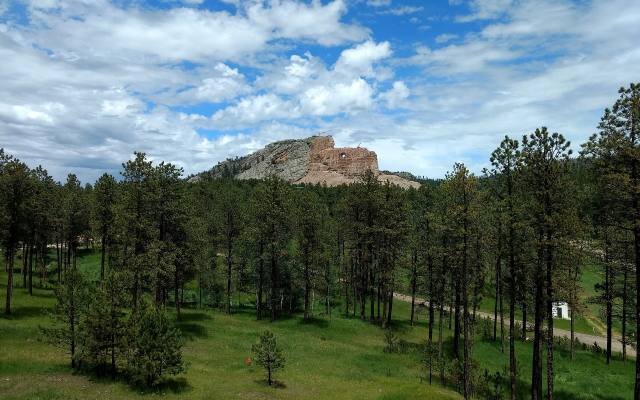
A visitor’s guide to the Crazy Horse Memorial near Custer: the story of the carving, the museums, the bus to the mountain, the night laser show and the Volksmarch.
 Planning
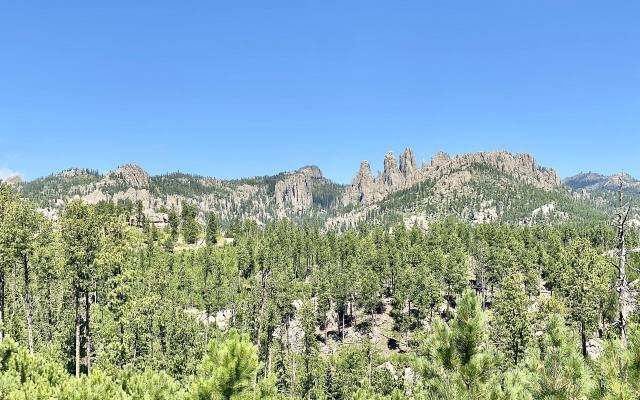
Custer State Park, Mount Rushmore, Crazy Horse and the caves in three days, all from a base in Custer, with tips on timing and what to book.