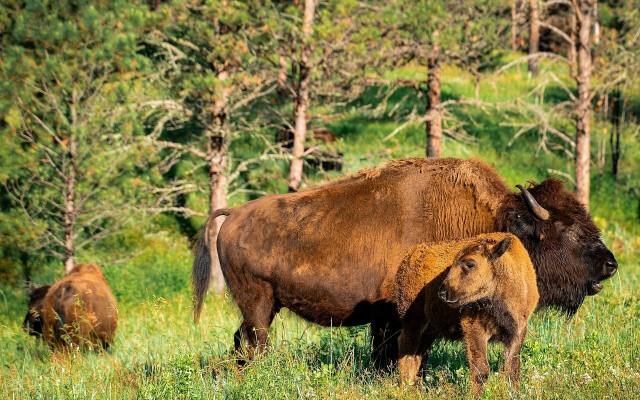
 State park
Custer State Park
Bison, lakes and granite peaks
South Dakota’s largest state park, with free-roaming bison, scenic drives, mountain lakes and historic lodges, starting five minutes east of Custer.
Things to see
Bison on the prairie, granite spires, mountain lakes, two great carvings and two of the longest caves on Earth, all within an hour of Custer. Here are the places worth your time, and how to fit them together.
About 71,000 acres of granite spires, pine forest and prairie on Custer’s doorstep, home to one of the largest public bison herds in the country.
State parkBison, lakes and granite peaks
South Dakota’s largest state park, with free-roaming bison, scenic drives, mountain lakes and historic lodges, starting five minutes east of Custer.
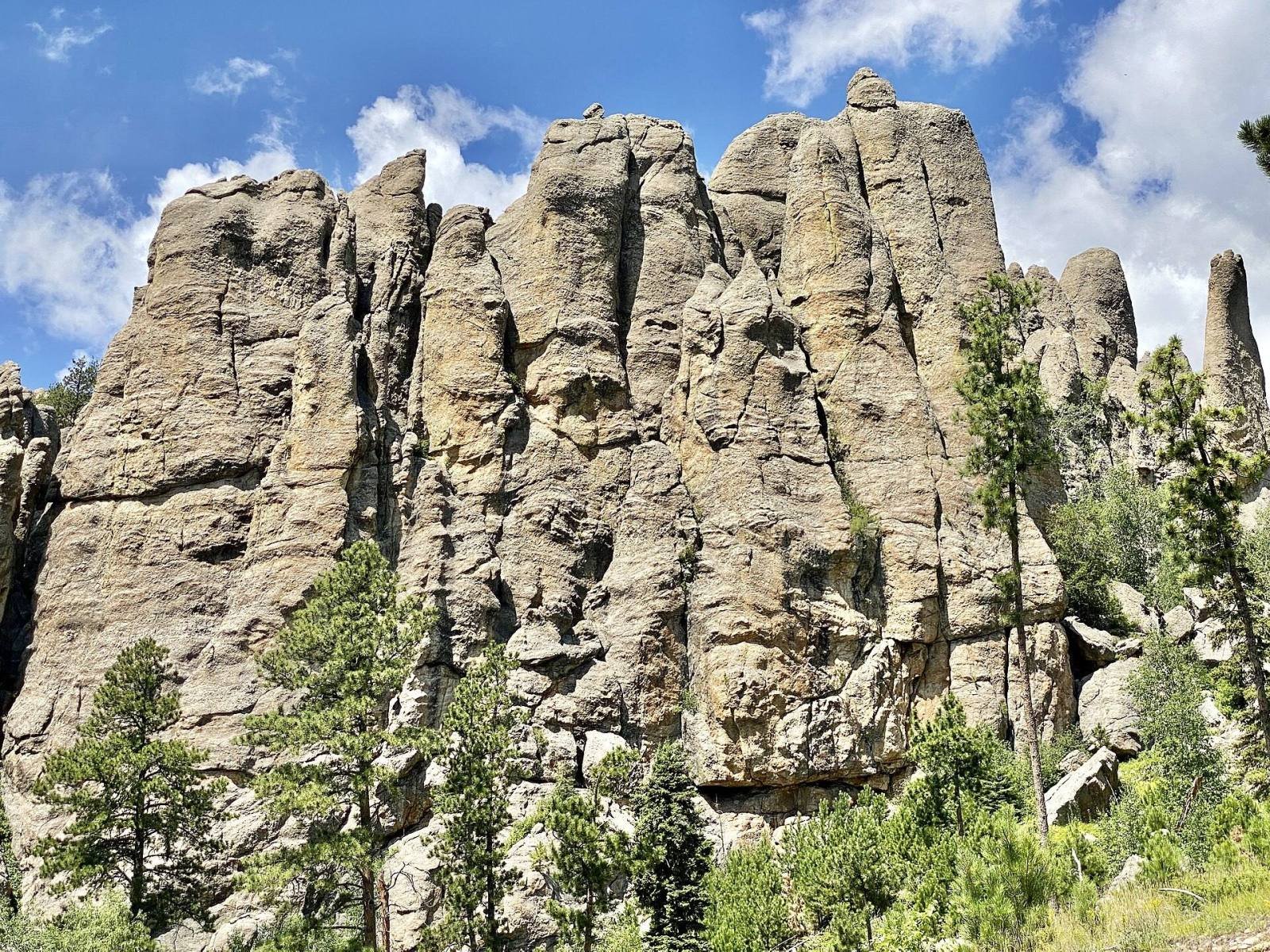
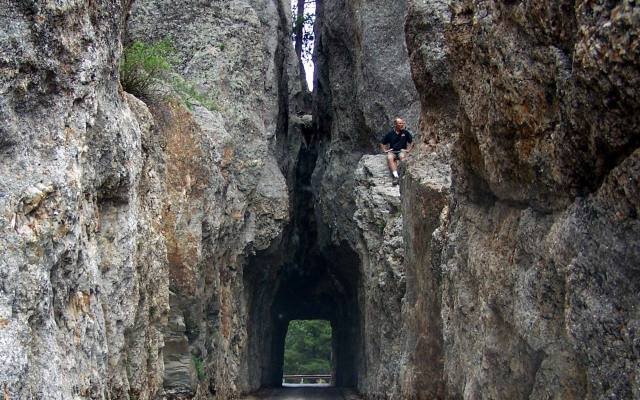 Scenic drive
Granite spires and one-lane tunnels
A 14-mile road that twists between towering granite needles and squeezes through tunnels cut in the rock. One of the great drives in America.
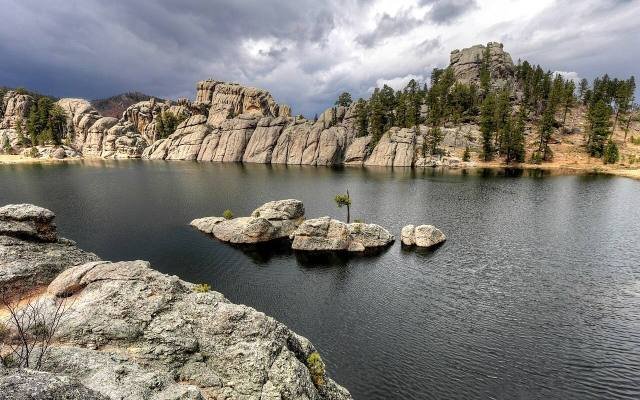 Lake
The jewel of the Black Hills
A small mountain lake ringed by granite boulders, with an easy shoreline trail, kayaks and the trailhead for Black Elk Peak, the highest point in South Dakota.
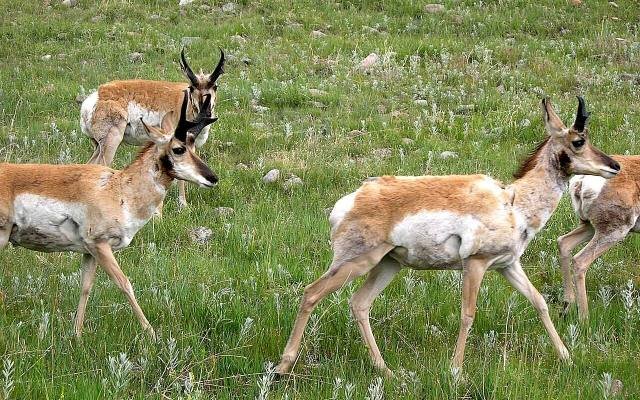 Wildlife
Bison, pronghorn and burros
An 18-mile drive through the prairie and foothills of Custer State Park, the best place to see bison, pronghorn, prairie dogs and the famous begging burros.
The Black Hills’ two great mountain carvings, the scenic road between them and the little towns of Hill City and Keystone.
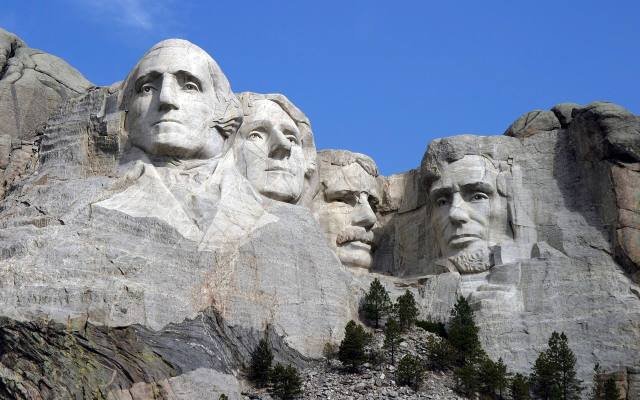 National memorial
Four presidents in granite
The 60-foot faces of Washington, Jefferson, Theodore Roosevelt and Lincoln, carved between 1927 and 1941, about 45 minutes from Custer.
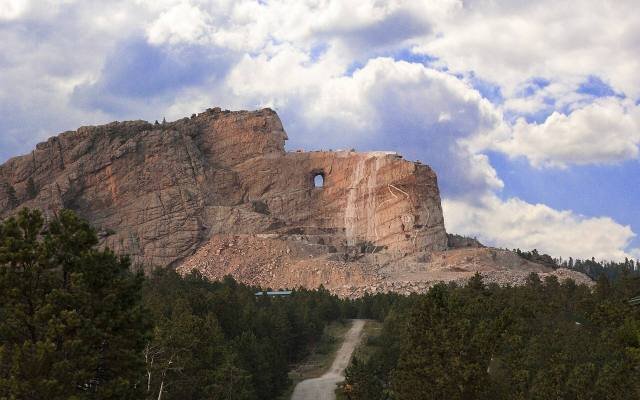 Memorial
The world’s largest mountain carving in progress
A colossal carving of the Lakota leader Crazy Horse, begun in 1948 and still in progress, with a museum of Native American culture, just north of Custer.
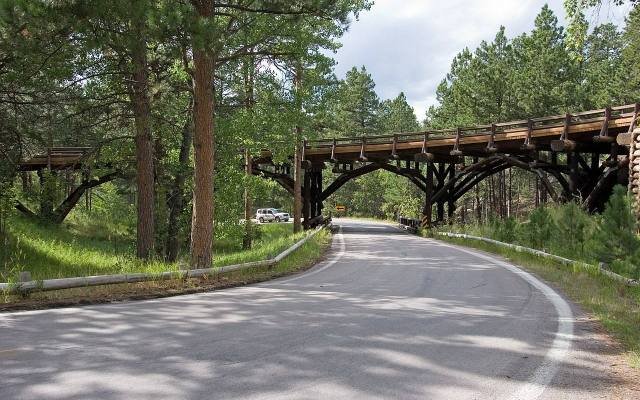 Scenic drive
Pigtail bridges and framed views
A winding road between Custer State Park and Keystone, with corkscrew pigtail bridges and tunnels that frame Mount Rushmore in the distance.
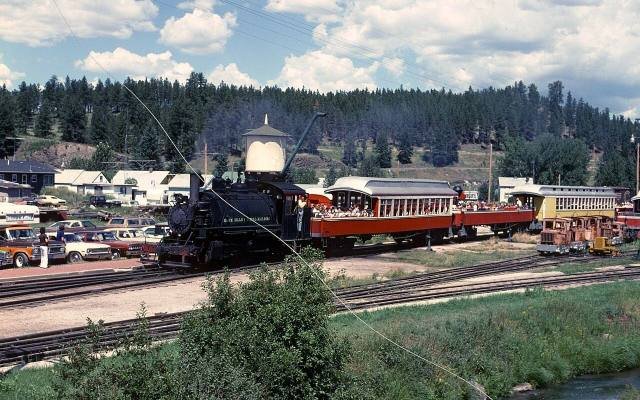 Small town
Galleries, wineries and the 1880 Train
A friendly small town 15 miles north of Custer, with art galleries, wine tasting rooms, the Mickelson Trail and the station for the 1880 Train.
Custer’s own main street, two very different cave parks and the fossil-rich town of Hot Springs.
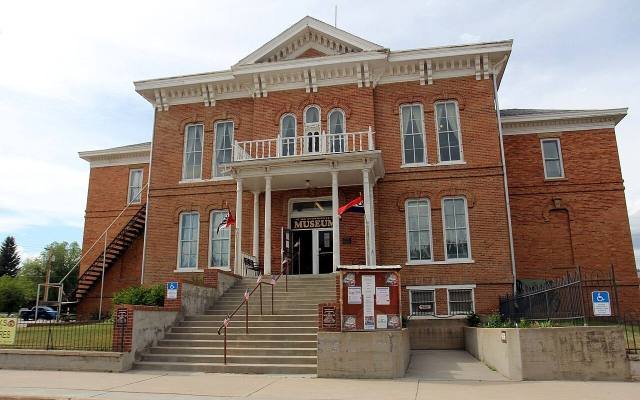 Town
A gold-rush town on Mount Rushmore Road
Custer’s wide main street, with painted bison statues, cafés, outfitters and the 1881 Courthouse Museum, which tells the story of the 1874 gold discovery.
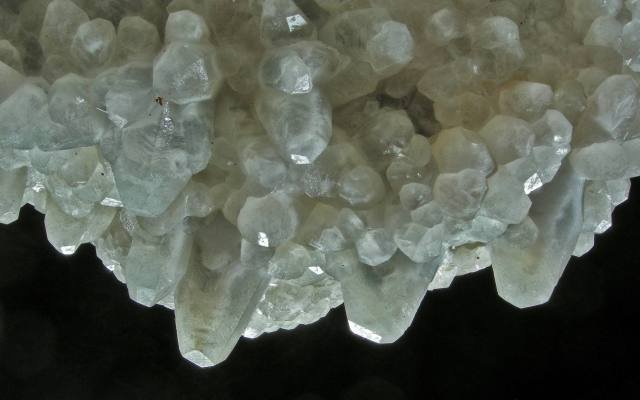 National monument
One of the longest caves in the world
More than 200 miles of mapped passages lined with sparkling calcite crystals, explored on ranger-led tours 13 miles west of Custer.
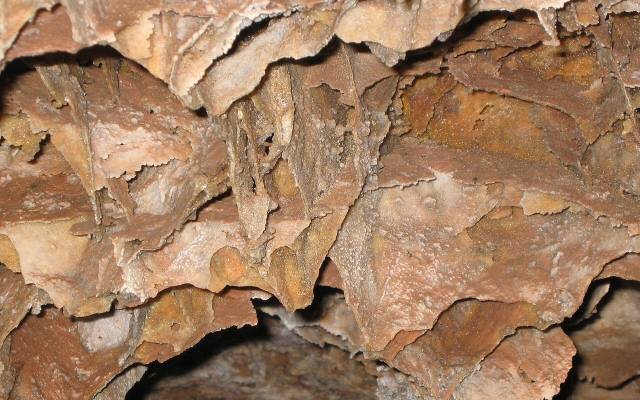 National park
Boxwork below, bison above
One of America’s oldest national parks, famous for rare boxwork formations underground and bison, elk and prairie dogs on the prairie above.
 Fossil site
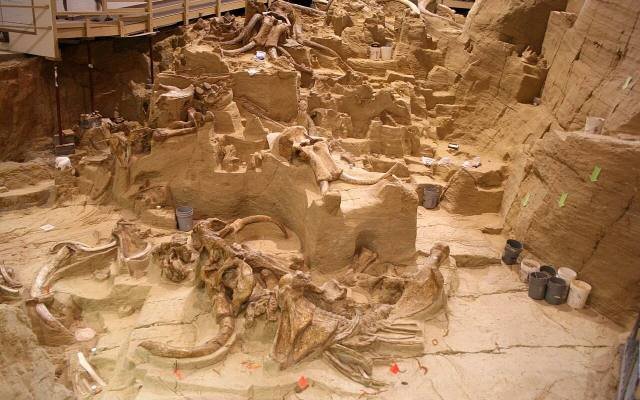
Mammoths in Hot Springs
A working fossil dig under a roof in Hot Springs, where the bones of dozens of Ice Age mammoths lie where they fell into an ancient sinkhole.
Custer sits at the centre of the southern Black Hills, so most sights are an easy drive away. Plan each day around one area and leave time for wildlife stops, which always take longer than you think.
Add a day for Mount Rushmore, driving there over the Iron Mountain Road. Stop in Keystone or Hill City, ride the 1880 Train if you have time, and return to the memorial for the evening lighting in summer.
Spend a day underground at Jewel Cave or Wind Cave, adding Hot Springs and the Mammoth Site. With four or five days, take a day trip to the Badlands or to Deadwood and Spearfish Canyon. Our three-day itinerary has the details.
Many attractions open only from about May to October, and some keep shorter hours in spring and autumn. Check opening times before you plan your route.
Plan your Black Hills trip
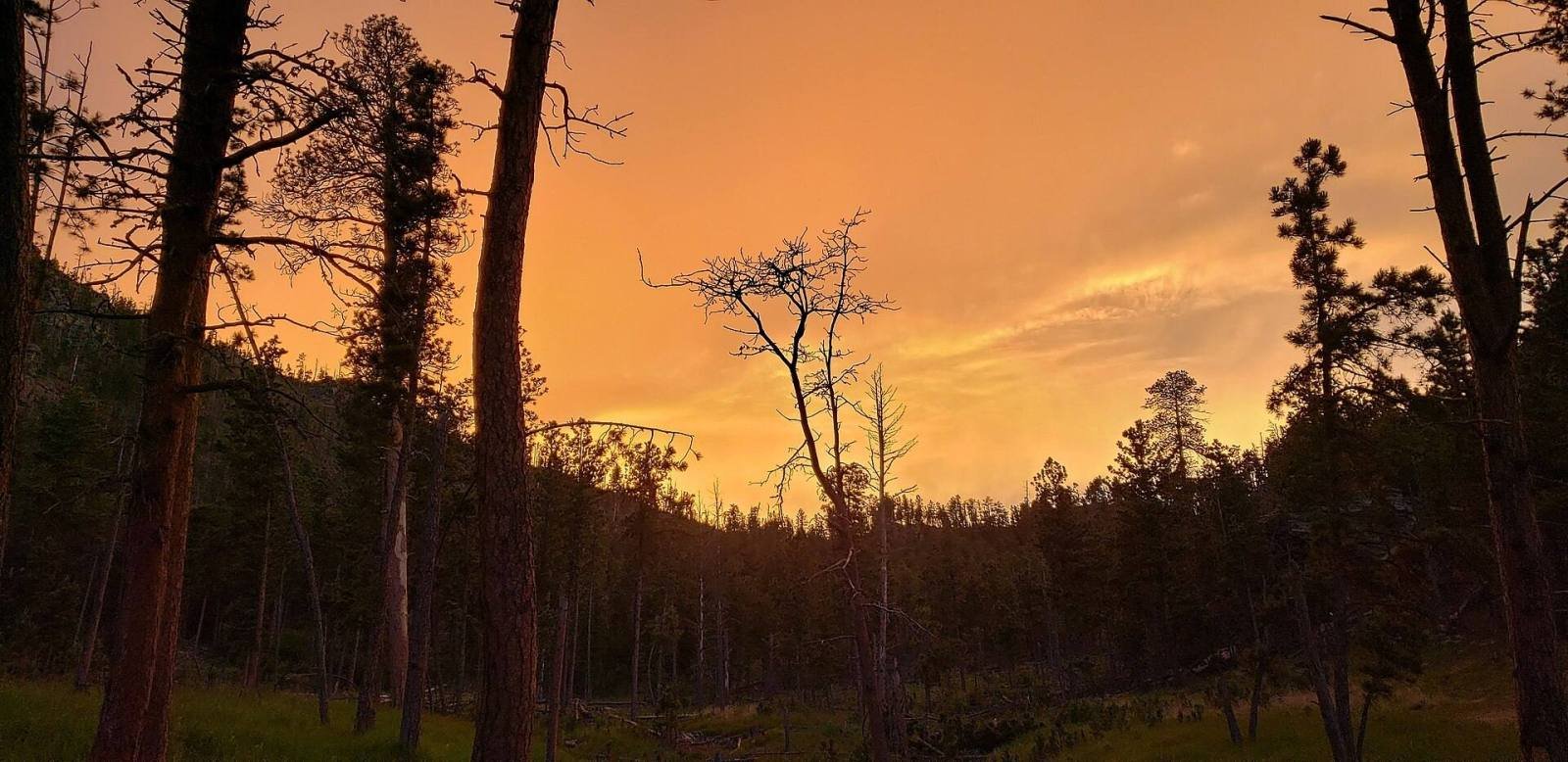
Ride a jeep among the bison, fly over Mount Rushmore, take the 1880 Train or head out to the Badlands. Compare tours and book in a couple of taps.