 Wildlife safari
Season: Spring to autumn
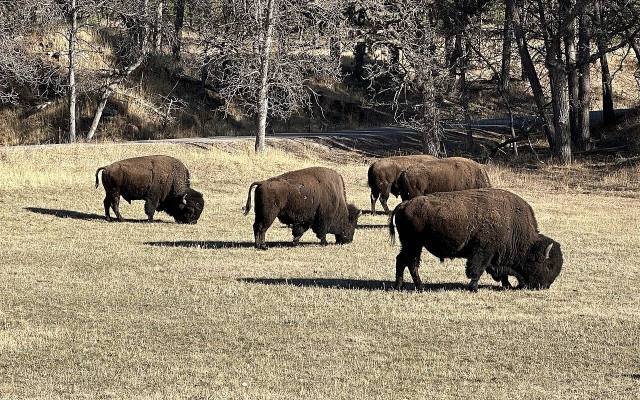
Buffalo safari jeep tour in Custer State Park
- Bison herds, pronghorn and burros
- A guide who knows where the animals are
National monument
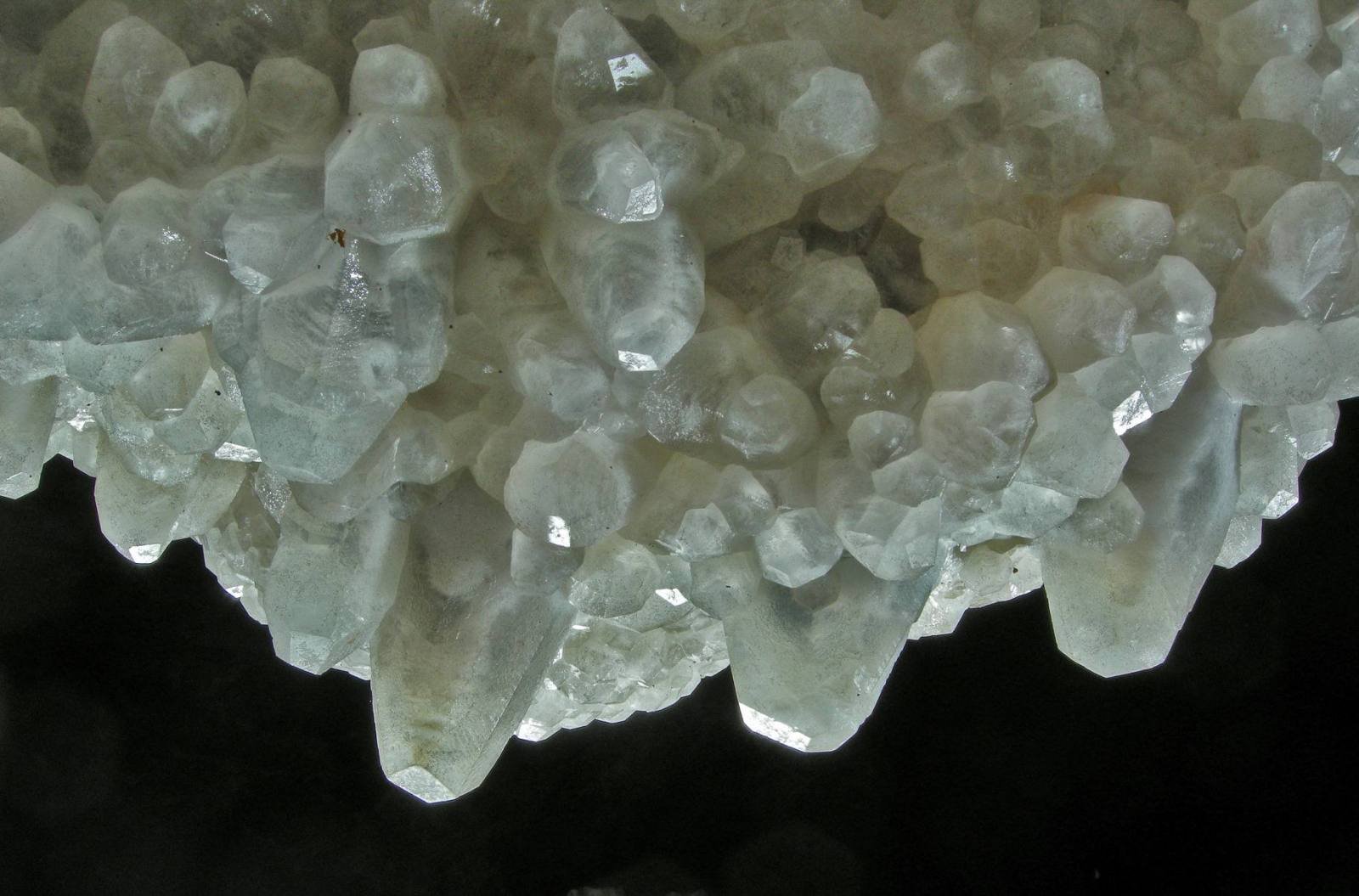
Beneath the pine forest west of Custer lies one of the longest caves in the world. Jewel Cave takes its name from the calcite crystals that glitter on its walls in the light of a ranger’s lantern.
Two brothers, Frank and Albert Michaud, found the cave in 1900 when they felt cold air blowing from a hole in the rock. Today more than 200 miles of passages have been mapped, and explorers are still finding more. Much of the cave is lined with crystals of calcite known as nailhead and dogtooth spar, which give Jewel Cave its sparkle.
Tours, schedules and how to get tickets change from year to year, and some tours can be reserved online. Popular summer tours sell out, so check the National Park Service website before you go.
Short trails around the visitor center lead through the pine forest, including the Canyons Trail. They are a good way to fill time before your tour.
Book ahead
Wildlife safari
Season: Spring to autumn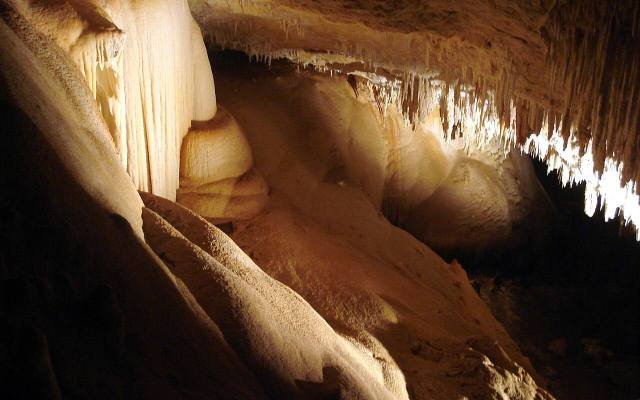 Cave tour
Season: Spring to autumn
 Scenic drive
Season: Spring to autumn
Nearby
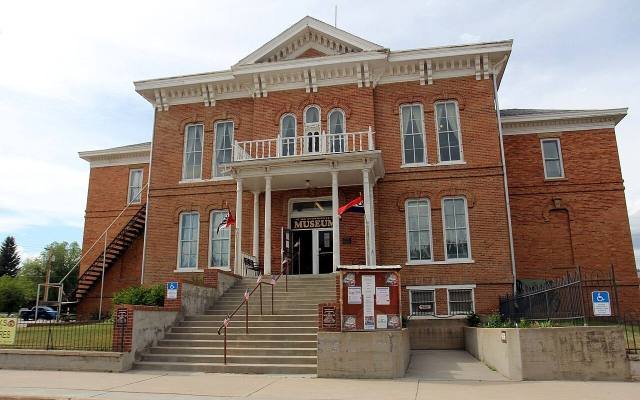 Town
A gold-rush town on Mount Rushmore Road
Custer’s wide main street, with painted bison statues, cafés, outfitters and the 1881 Courthouse Museum, which tells the story of the 1874 gold discovery.
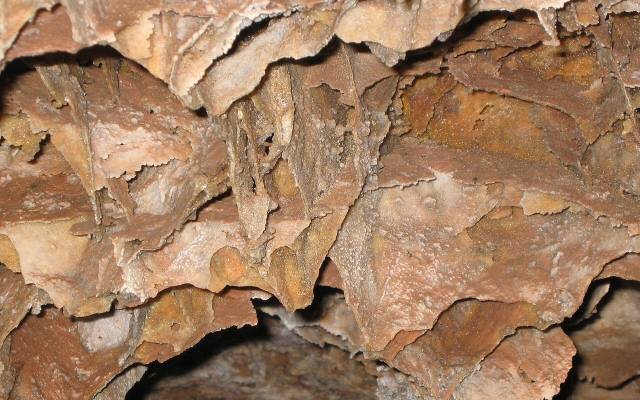 National park
Boxwork below, bison above
One of America’s oldest national parks, famous for rare boxwork formations underground and bison, elk and prairie dogs on the prairie above.
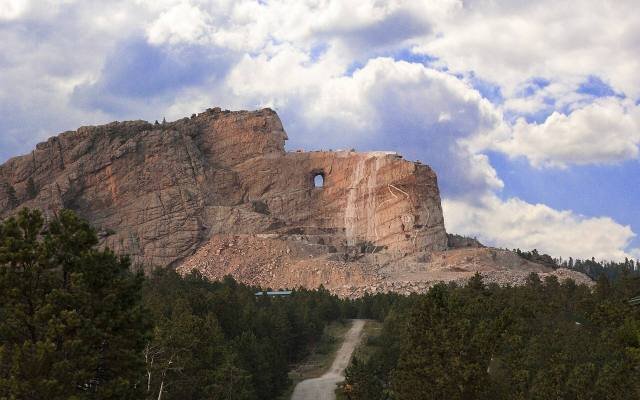 Memorial
The world’s largest mountain carving in progress
A colossal carving of the Lakota leader Crazy Horse, begun in 1948 and still in progress, with a museum of Native American culture, just north of Custer.