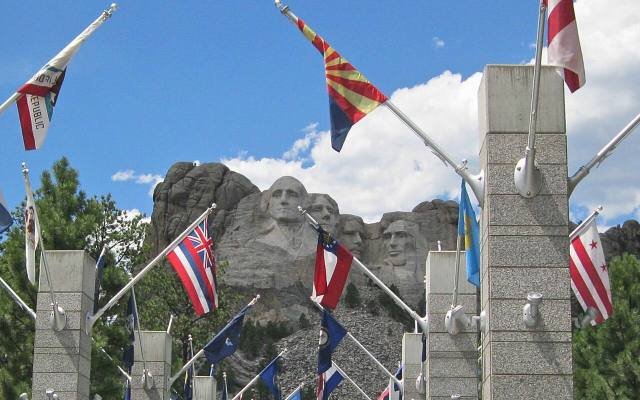
 Sightseeing tour
Season: Spring to autumn
Mount Rushmore and Crazy Horse tour
- Mount Rushmore and the Avenue of Flags
- Crazy Horse Memorial and its museum
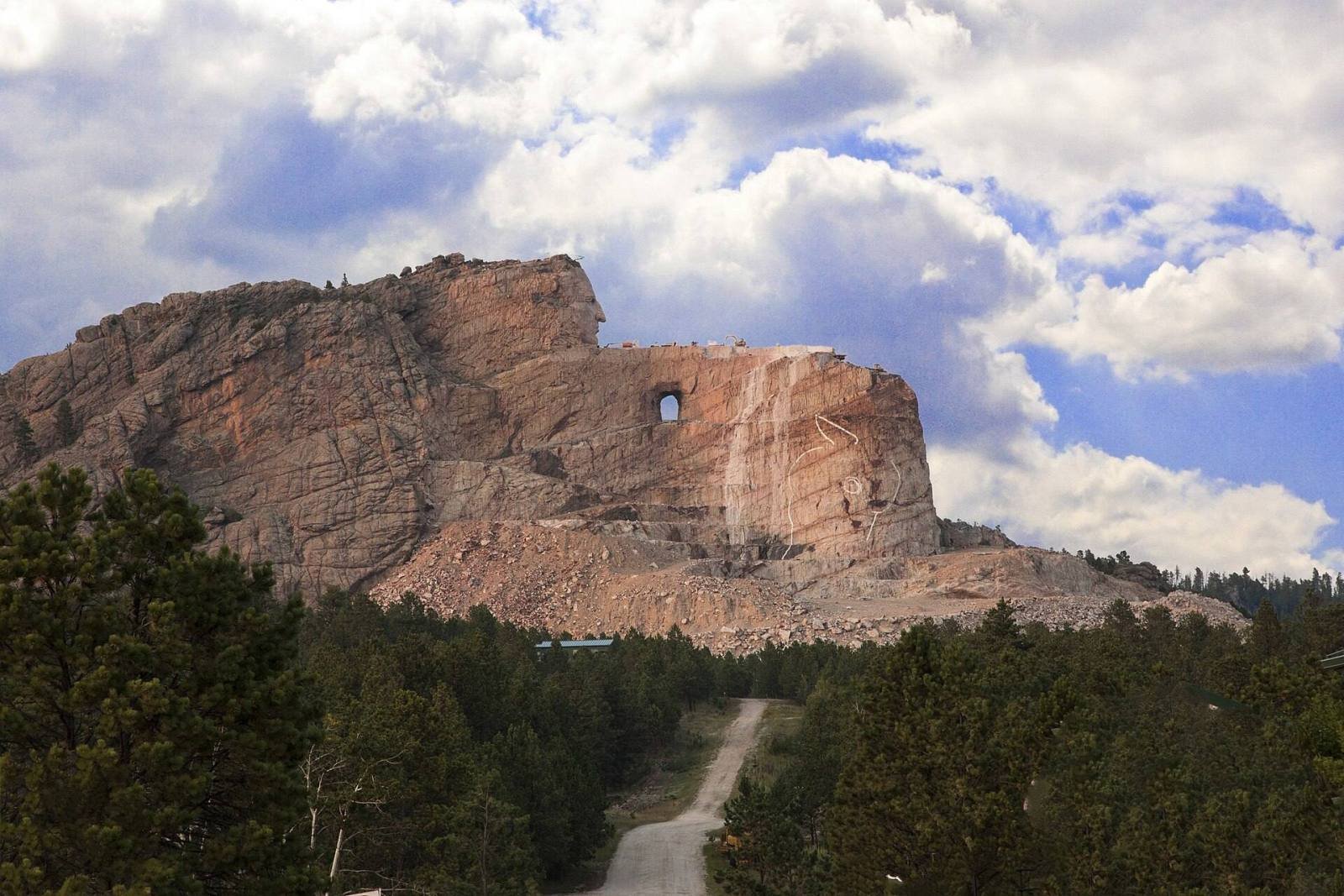
Memorial
Just north of Custer, a mountain is slowly becoming the figure of Crazy Horse, the Lakota leader, riding with his arm outstretched. Begun in 1948 and still in progress, it is the largest mountain carving in the world.
In 1939, the Lakota chief Henry Standing Bear wrote to the sculptor Korczak Ziolkowski, who had worked on Mount Rushmore, asking him to carve a memorial. “My fellow chiefs and I would like the white man to know the red man has great heroes, too,” he wrote. Ziolkowski began blasting in 1948 and worked on the mountain until his death in 1982. His family and the Crazy Horse Memorial Foundation carry on the work, funded by visitors and donations rather than government money.
From the visitor center you can take a bus to the base of the mountain for a fee. A few days a year, usually in June and September, the Volksmarch walk lets the public hike up to the arm of the carving.
Book ahead
Sightseeing tour
Season: Spring to autumn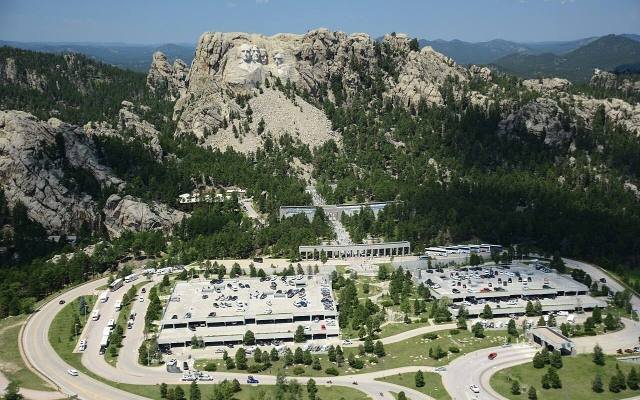 Scenic flight
Season: Spring to autumn
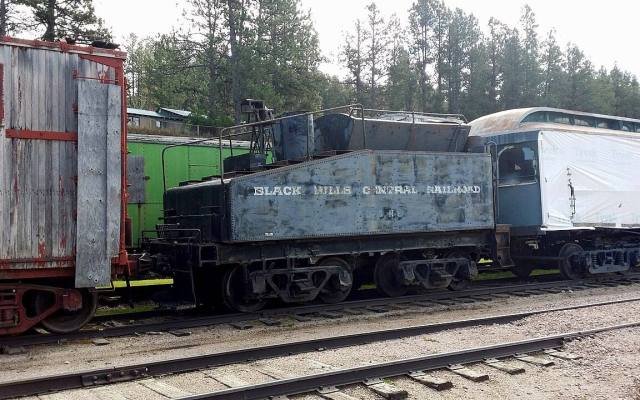 Heritage railway
Season: Spring to autumn
Nearby
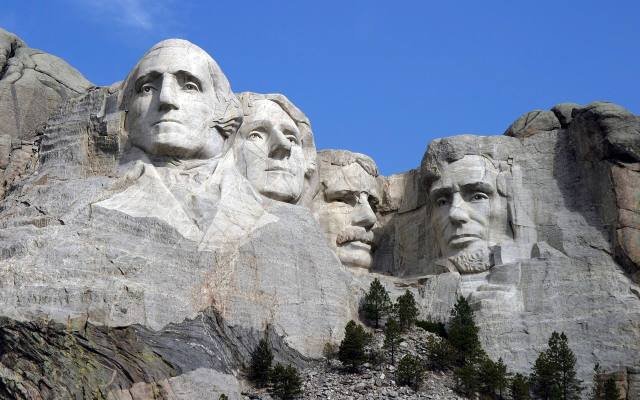 National memorial
Four presidents in granite
The 60-foot faces of Washington, Jefferson, Theodore Roosevelt and Lincoln, carved between 1927 and 1941, about 45 minutes from Custer.
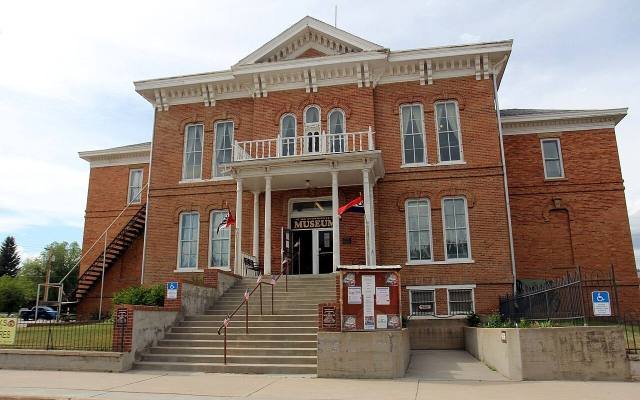 Town
A gold-rush town on Mount Rushmore Road
Custer’s wide main street, with painted bison statues, cafés, outfitters and the 1881 Courthouse Museum, which tells the story of the 1874 gold discovery.
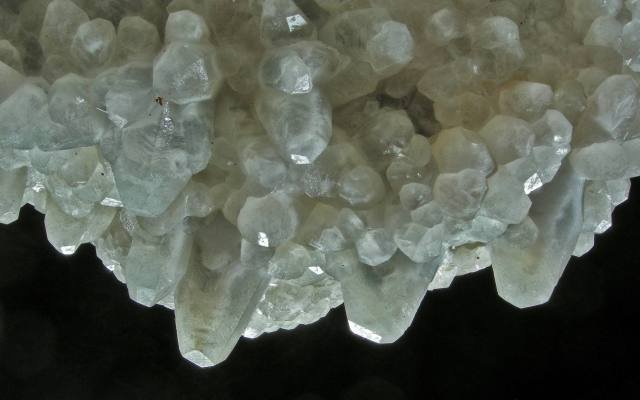 National monument
One of the longest caves in the world
More than 200 miles of mapped passages lined with sparkling calcite crystals, explored on ranger-led tours 13 miles west of Custer.